
Table of Contents
Introduction: home office color ideas
The colors you choose for your home office can have a significant impact on your mood, focus, and productivity. While furniture and lighting often receive the most attention during a home office remodel, color plays an equally important role in creating an environment that supports efficient work.
Whether you’re designing a new workspace or refreshing an existing office, choosing the right colors can help improve concentration and create a more enjoyable work environment.
Why Office Colors Matter
Color psychology suggests that different colors influence emotions and behavior.
The right color palette can help:
- Improve focus
- Increase creativity
- Reduce stress
- Enhance motivation
- Create a professional atmosphere
Choosing colors carefully can make your workspace feel more comfortable and productive.
- White for Simplicity and Focus
White remains one of the most popular home office colors.
Benefits include:
- Clean appearance
- Bright environment
- Minimal distractions
- Modern aesthetic
White works particularly well in small offices because it helps spaces feel larger.
- Light Gray for Professionalism
Light gray is a favorite choice for modern office designs.
Advantages:
- Professional appearance
- Neutral background
- Easy to match with furniture
- Calming effect
Many minimalist office setups use gray as their primary color.
- Blue for Productivity
Blue is often associated with concentration and focus.
Benefits:
- Encourages productivity
- Creates a calming environment
- Works well in remote work spaces
Many professionals consider blue one of the best colors for work-focused environments.
- Green for Balance and Comfort
Green is linked to nature and relaxation.
Benefits include:
- Reduced visual fatigue
- Relaxing atmosphere
- Comfortable long-term workspace
Green works especially well in offices where people spend long hours at a desk.
- Beige and Earth Tones
Natural colors continue to grow in popularity.
Popular options include:
- Beige
- Sand
- Taupe
- Soft brown accents
These colors help create warm and inviting workspaces.
- Black Accent Walls
While entire black rooms can feel overwhelming, accent walls can create a modern and sophisticated look.
Benefits:
- Strong visual contrast
- Modern appearance
- Excellent background for artwork and shelving
Use black sparingly for best results.
- Soft Green and Sage Tones
Sage green has become one of the most popular office colors in recent years.
Benefits:
- Modern appearance
- Relaxing atmosphere
- Complements natural wood furniture
This color works particularly well in minimalist office designs.
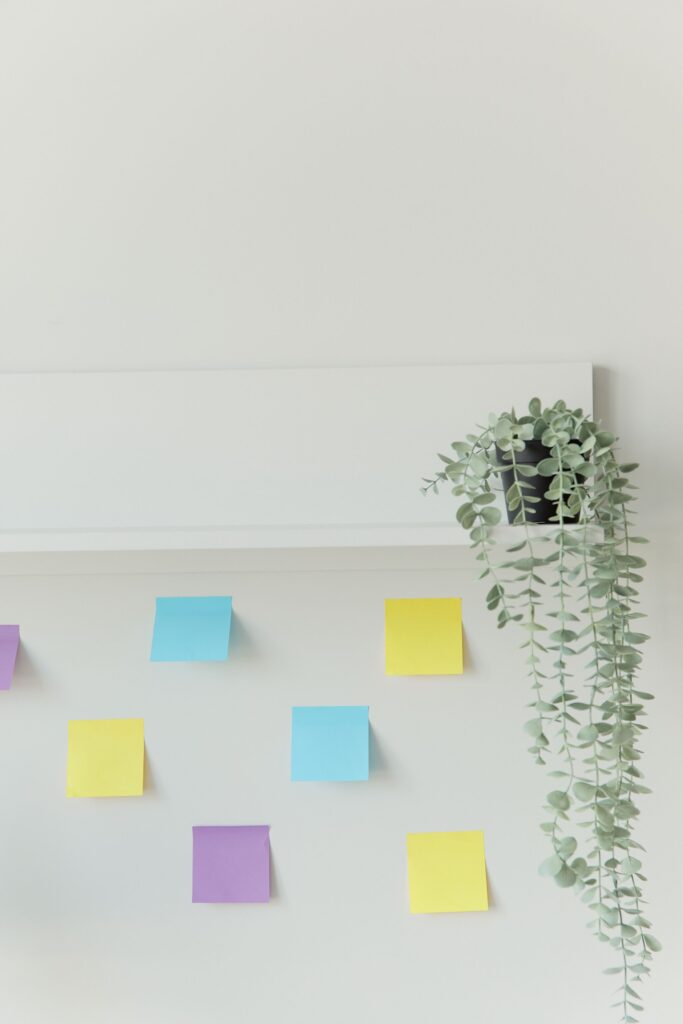
Color Combinations That Work Well Together
Popular combinations include:
- White and natural wood
- Gray and black
- Blue and white
- Sage green and beige
- White and soft gray
These combinations create professional and visually balanced workspaces.
Common Home Office Color Mistakes
Avoid:
- Extremely bright colors
- Too many competing colors
- Dark rooms without proper lighting
- Overly distracting patterns
The goal is to create a workspace that supports focus rather than drawing attention away from work.
Frequently Asked Questions
What is the best color for a home office?
Blue, light gray, white, and sage green are among the most popular colors for productive work environments.
Do office colors affect productivity?
Yes. Different colors can influence focus, creativity, stress levels, and overall comfort.
Should a home office be light or dark?
Most professionals prefer lighter colors because they help create brighter and more inviting workspaces.
What colors work best with minimalist office designs?
White, gray, beige, black accents, and natural wood tones are commonly used in minimalist offices.
Final Thoughts home office color ideas
The best home office color ideas balance aesthetics, comfort, and productivity. Whether you prefer bright minimalist designs or warm natural tones, selecting the right color palette can improve your workspace experience and help you stay focused throughout the day.
Internal Links: