
Table of Contents
Intro (ergonomic keyboard and mouse for wrist pain)
If your wrists ache by mid-afternoon, the problem usually isn’t how long you type — it’s the angle your hands are stuck in. Standard flat keyboards force your wrists to bend outward, and standard mice force your forearm to twist flat against the desk. Both positions compress the nerves running through your wrist, which is exactly what leads to that familiar tingling, numbness, or ache.
The fix isn’t willpower or more breaks (though those help too) — it’s switching to hardware that keeps your wrists in a neutral, straight position. Below are the keyboards and mice that actually do that, at every price point.
ergonomic keyboard and mouse for wrist pain
Comparison Table (Table block, right after intro)
| Product | Type | Price | Best For |
|---|---|---|---|
| Logitech Wave Keys | Wave-shaped keyboard | ~$60 | Easiest transition from a standard keyboard |
| Microsoft Sculpt Ergonomic Keyboard | Split, contoured keyboard | ~$80 | Adjustable slope, separate numpad |
| Logitech Ergo K860 | Tented split keyboard | ~$130 | Most corrective angle without a full split |
| Logitech MX Master 3S | Ergonomic contour mouse | ~$100 | Office workers wanting comfort + productivity features |
| Evoluent VerticalMouse 4 | Fully vertical mouse | ~$90 | Existing wrist pain, most dramatic correction |
Prices fluctuate — confirm current price on each Amazon listing before publishing.
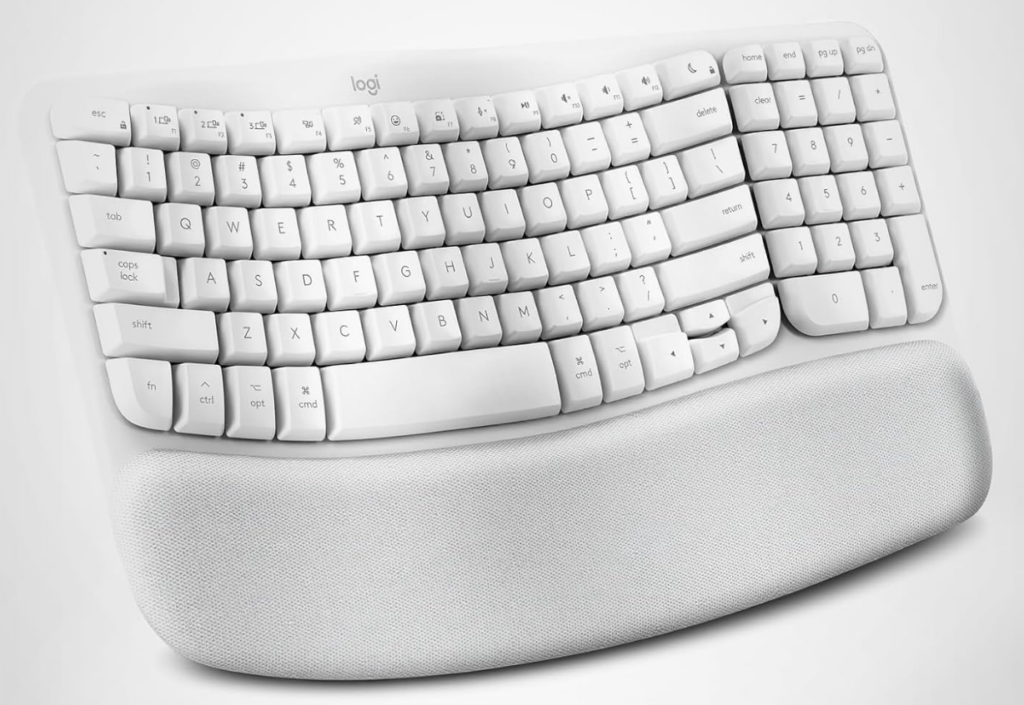
1. Logitech Wave Keys

Price: ~$60 (verify before publishing)
Why we picked it: the wave-shaped key layout eases you into ergonomic typing without the learning curve of a full split keyboard. It brings your hands slightly closer together than a standard board, which keeps your shoulders in a more natural position too.
Best for: Anyone trying ergonomic keyboards for the first time
2. Microsoft Sculpt Ergonomic Keyboard
Price: ~$80 (verify before publishing)
Why we picked it: the angled, sloped design lets your hands rest naturally instead of straight, and the slope is adjustable depending on your hand size. Comes as a separate keyboard and number pad, so you can position the numpad anywhere — or skip it entirely to bring your mouse closer.
Best for: Office workers who want a professional look with real ergonomic benefit
3. Logitech Ergo K860
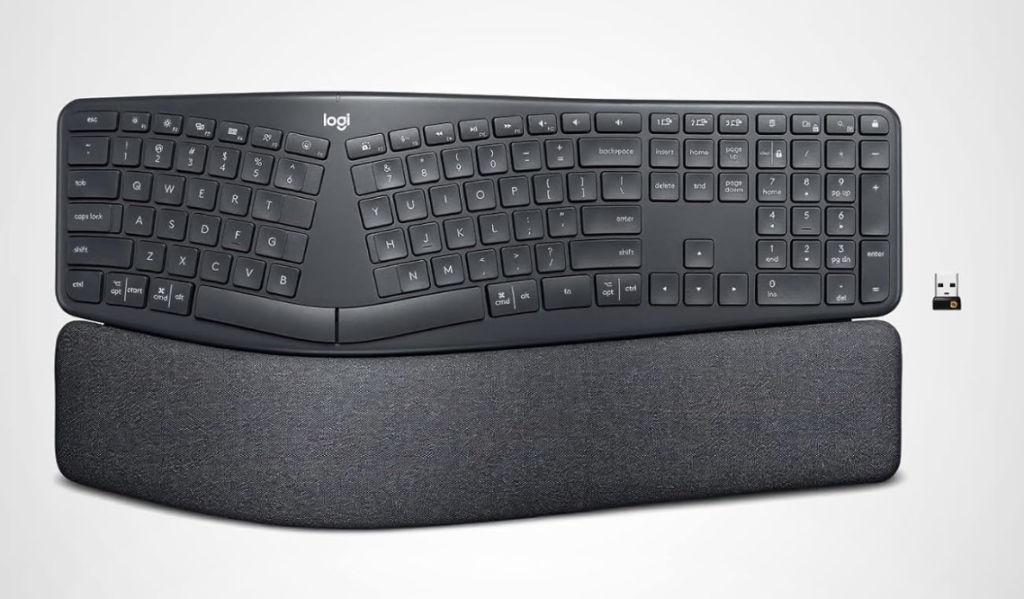
Price: ~$130 (verify before publishing)
Why we picked it: a tented, curved design — it rises in the middle and slopes down each side — without splitting into two physical pieces. That tent angle is one of the most effective corrections for wrist pronation, and it comes with a padded palm rest built in.
Best for: Moderate to chronic wrist pain, without committing to a fully split board
4. Logitech MX Master 3S
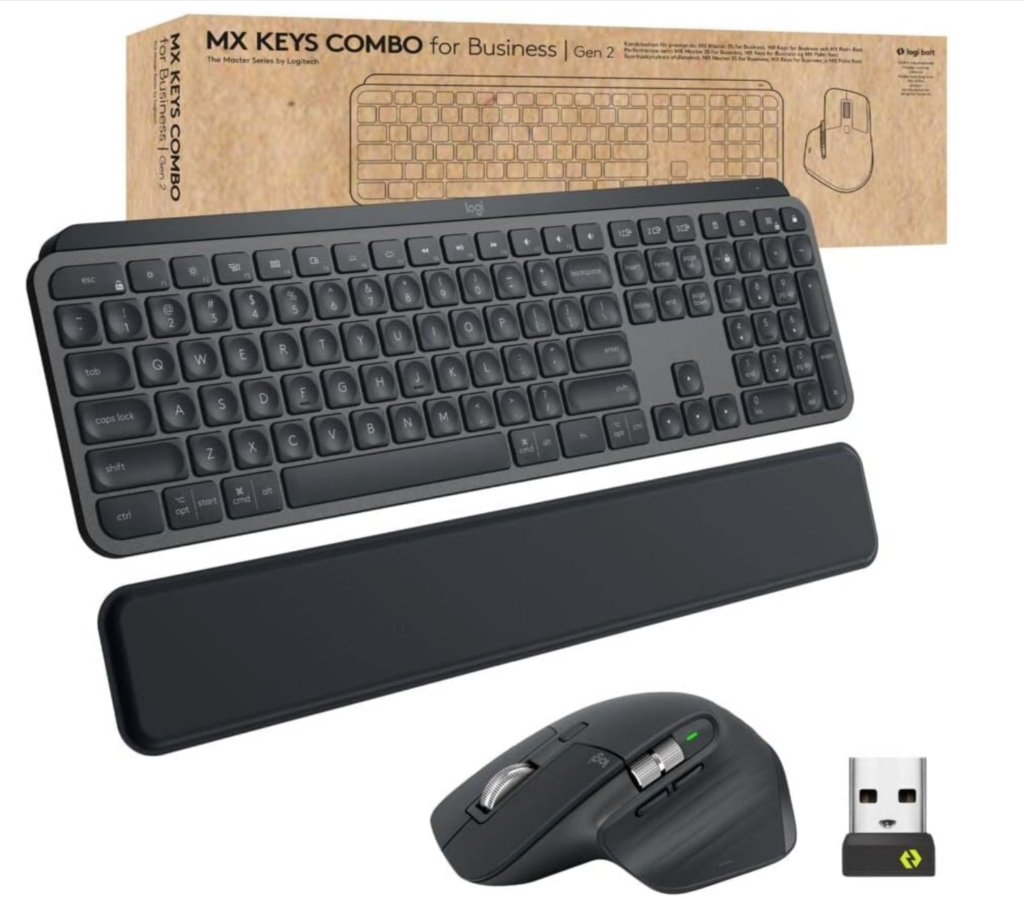
Price: ~$100 (verify before publishing)
Why we picked it: a contoured shape that supports your hand’s natural curve rather than forcing it flat, plus programmable buttons and smooth scrolling that make it genuinely good to use, not just ergonomic.
Best for: Professionals who want comfort without switching to a fully vertical mouse
5. Evoluent Vertical Mouse 4
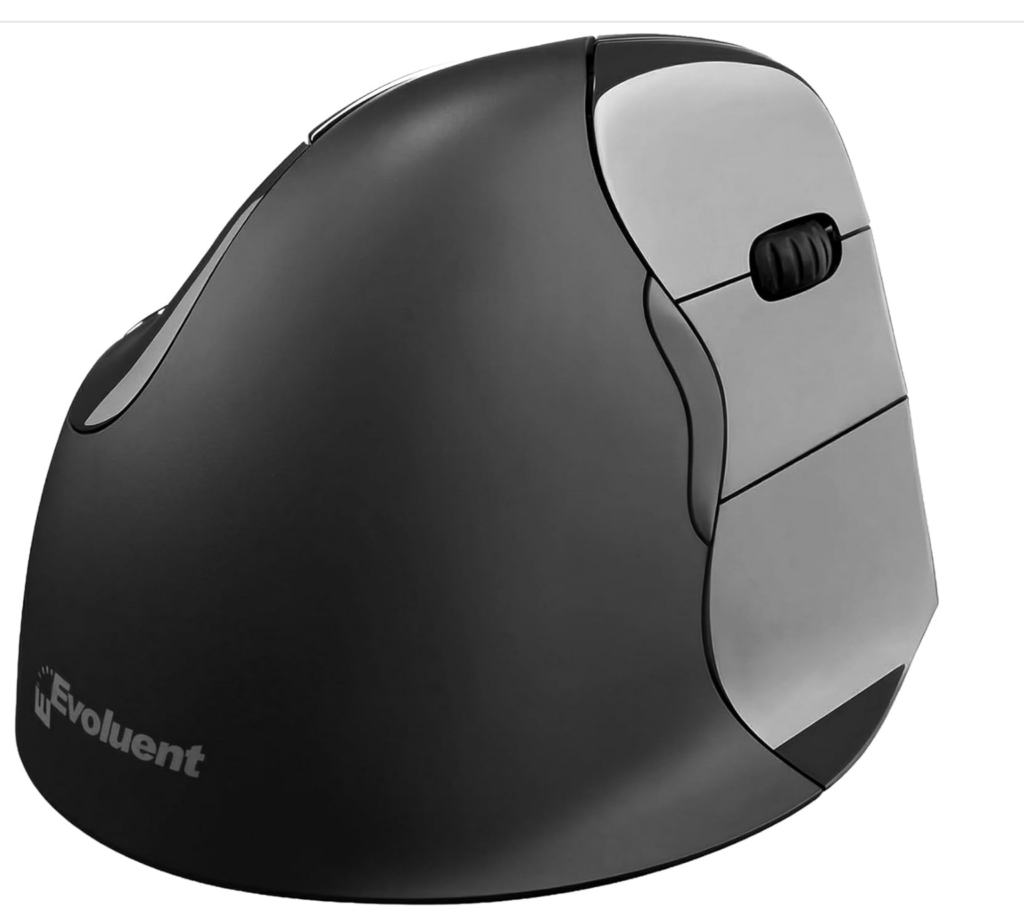
Price: ~$90 (verify before publishing)
Why we picked it: a fully vertical grip that mimics a natural handshake position, completely eliminating the forearm twist a flat mouse forces. It has the longest adjustment period of anything on this list (1-2 weeks), but users with existing wrist pain often report the most noticeable relief.
Best for: People with existing, persistent wrist or forearm pain
What Makes a Keyboard or Mouse Actually Ergonomic
Not every product labeled “ergonomic” addresses the real cause of wrist pain. Look for:
- Split or tented layout — keeps wrists straight instead of angled inward toward the pinkies
- Negative tilt or low profile — prevents your wrists from cocking upward to reach the keys
- Vertical or contoured mouse grip — stops the forearm twist a flat mouse forces
- Adjustable design — hand sizes vary, so a one-size design helps fewer people than an adjustable one
Which it can lead to carpal Tunnel syndrome over time
ergonomic keyboard and mouse for wrist pain
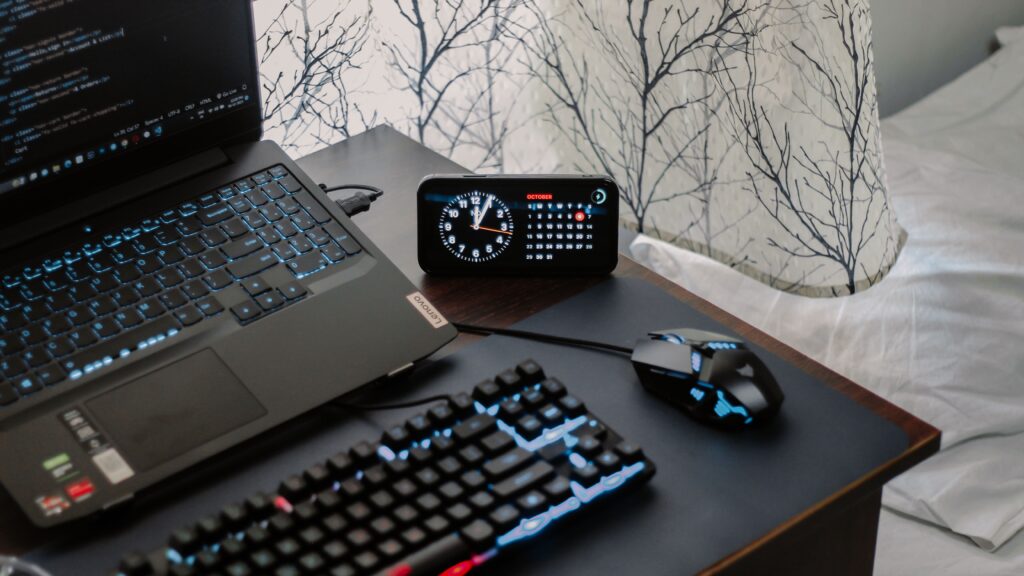
ergonomic keyboard and mouse for wrist pain
A Quick Note on Wrist Rests
A wrist rest is not a substitute for ergonomic hardware — it’s a complement. Rest your palms on it during pauses between typing, not while actively typing; pressing down while typing actually increases pressure on the nerve, the opposite of what you want.
Frequently Asked Questions
How long does it take to adjust to an ergonomic keyboard or mouse?
Typically 1-2 weeks of regular use. Vertical mice and fully split keyboards take longer to adapt to than wave-shaped or tented designs.
Do I need both an ergonomic keyboard and an ergonomic mouse?
Using just one helps, but pairing both gives more complete relief — many people who switch only one device still feel strain from the other.
Are ergonomic keyboards good for gaming too?
Yes, several modern ergonomic keyboards now include gaming-grade switches and low-latency wireless, so you don’t have to choose between comfort and performance.
Internal Links Related ergonomic keyboard and mouse for wrist pain
- Best Wrist Rests for Programmers
- The Ultimate Ergonomic Desk Setup for Programmers
- How to Prevent Neck and Back Pain While Coding
ergonomic keyboard and mouse for wrist pain